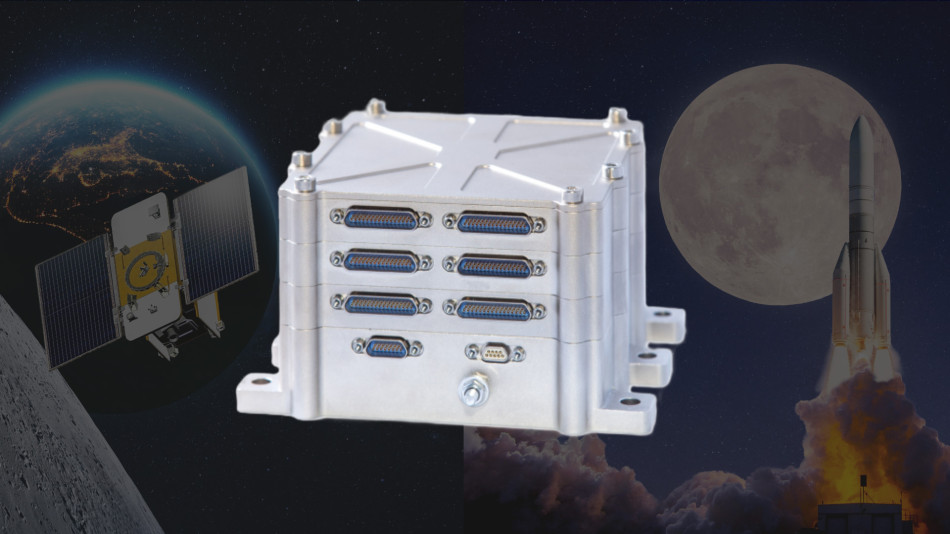
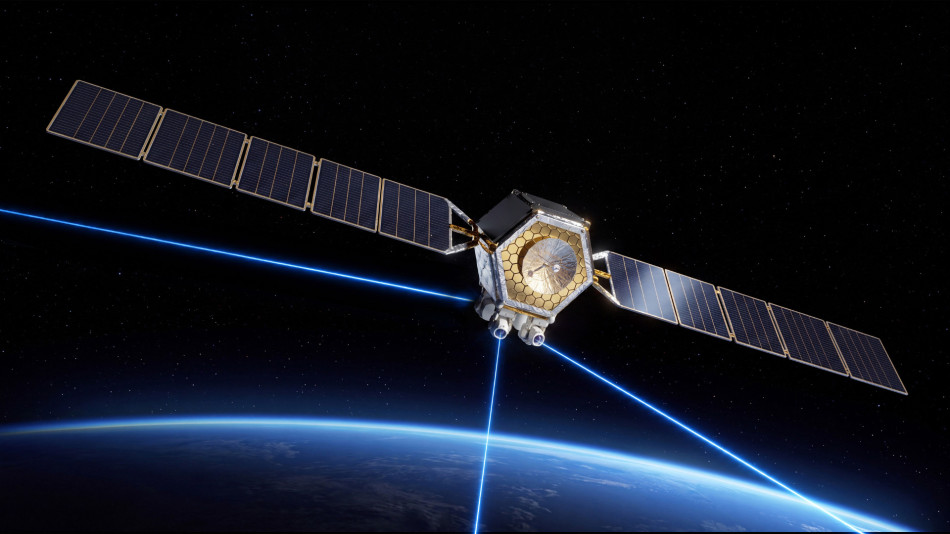
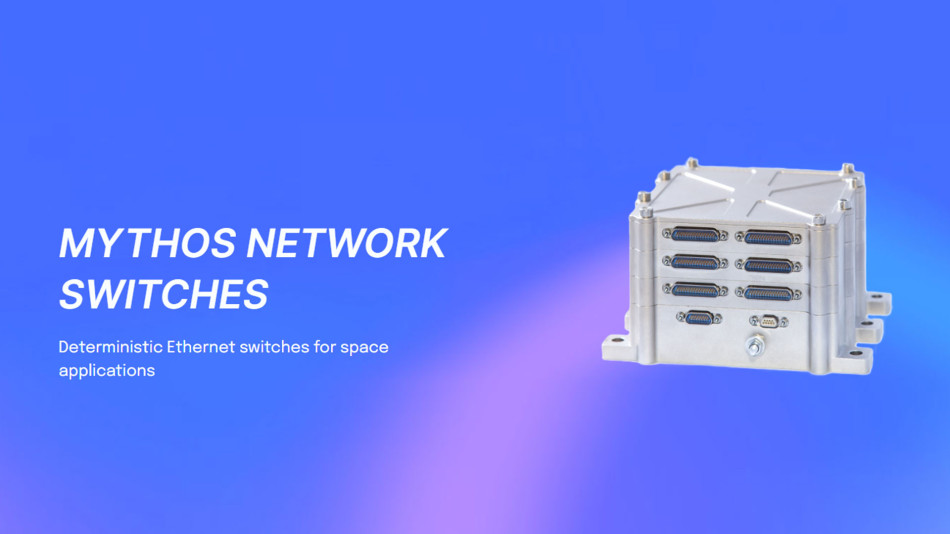
The advanced Ethernet-based networking and computing platform for deep space, lunar, and human-rated missions combines switch and network interface cards, software, and robust hosting units into a ready-to-use solution for demanding applications.
TTTECH Aerospace provides Ethernet-based space equipment as a range of ready-to-use building blocks for data networks in space stations, spacecraft, or satellites.
Eddie Myers joins TTTECH and has been appointed CEO of TTTECH North America Inc., effective July 15, 2026. His responsibilities will include leading and driving TTTECH’s business in the aviation, space, defense and critical infrastructure markets.
TTTECH Aerospace’s high-speed, managed network switches provide a reliable digital backbone for onboard avionics in space transportation, space stations, and satellites, supporting standard Ethernet as well as mixed-criticality networks via TTEthernet.
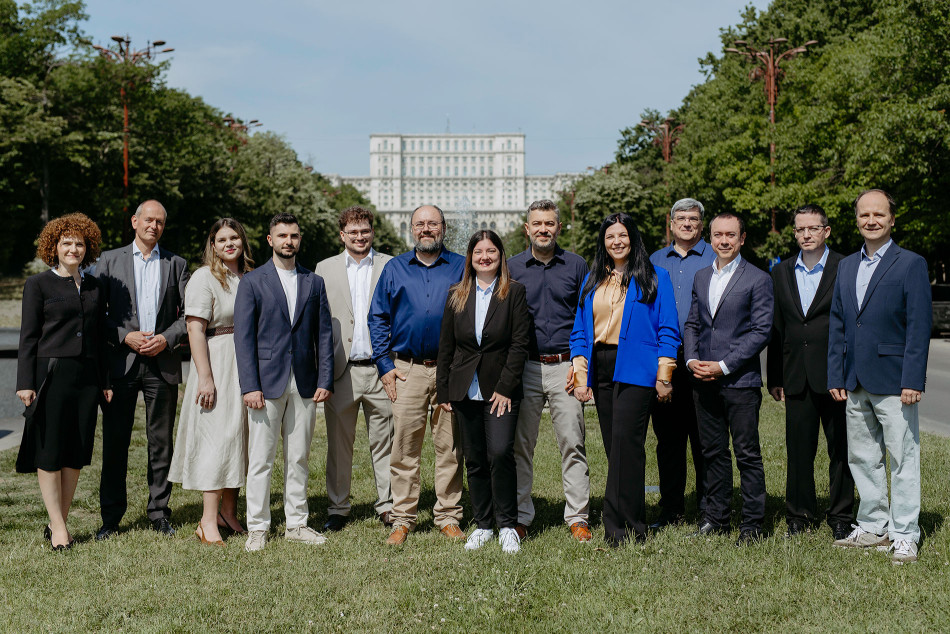
TTTech Development Romania SRL is an engineering hub for digital design and software development, verification & validation, and testing according to industry-specific standards. It has already contributed to several international space programs, including NASA Orion.
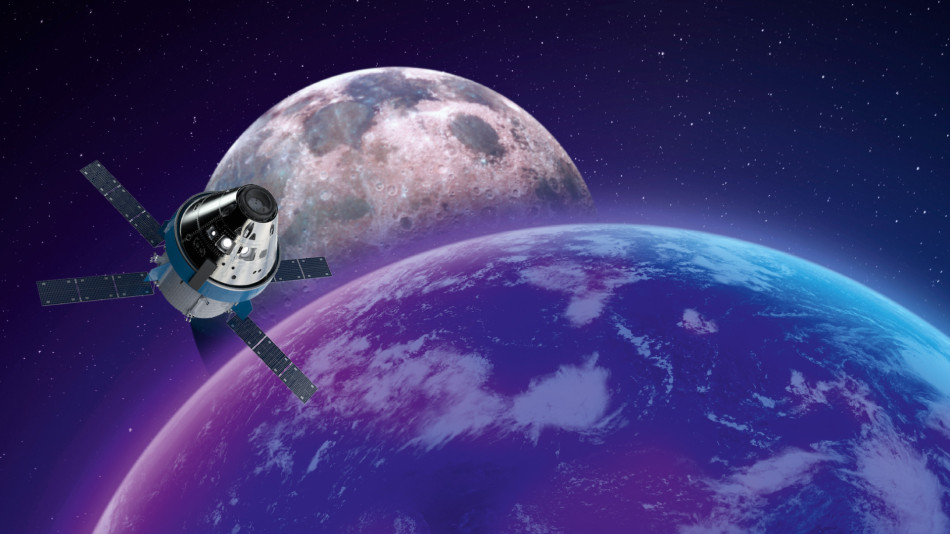
TTTECH Aerospace has been working on Orion since 2006, supporting interoperable, fail-safe data communication in space. Learn about the history of the program at TTTECH, the technology behind it and future applications.
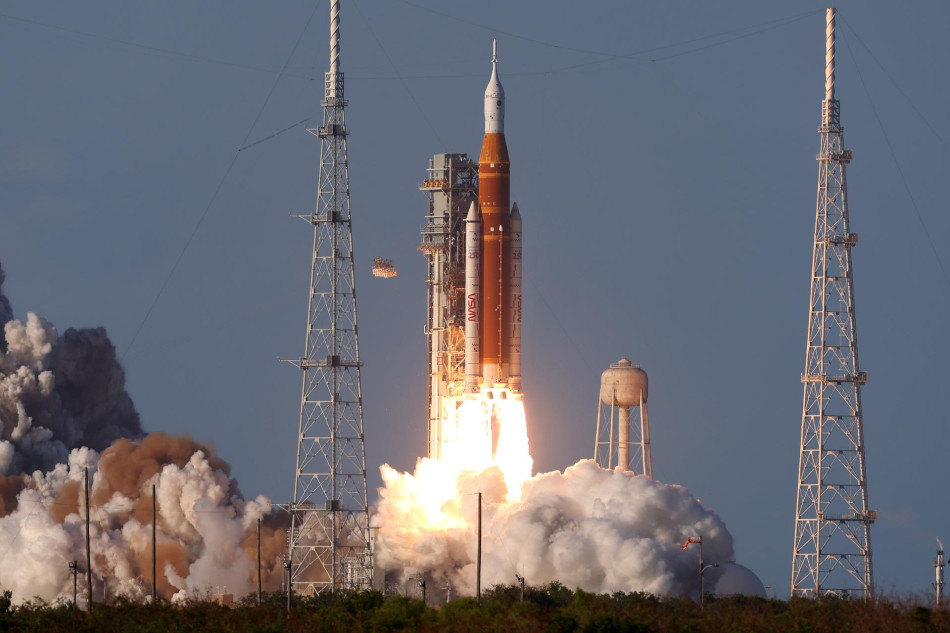
Technology from Austria is being used on NASA’s first crewed mission towards the Moon in more than 50 years. Vienna-based high-tech company TTTECH is supplying the core of the data network for NASA's Orion spacecraft and its European Service Module.
The publicly tendered project is being carried out within the ESA’s ARTES 4.0 program. The goal is the development of a technology-agnostic Ethernet switch chip IP optimized for use in inter-satellite communication and regenerative satellite payloads.
The Time-Triggered approach increases safety, security, and reliability in safety-critical systems. TTEthernet builds on this approach. In the past 20 years, it has been successfully implemented in safety-critical applications in the aerospace, automotive, and energy sectors.